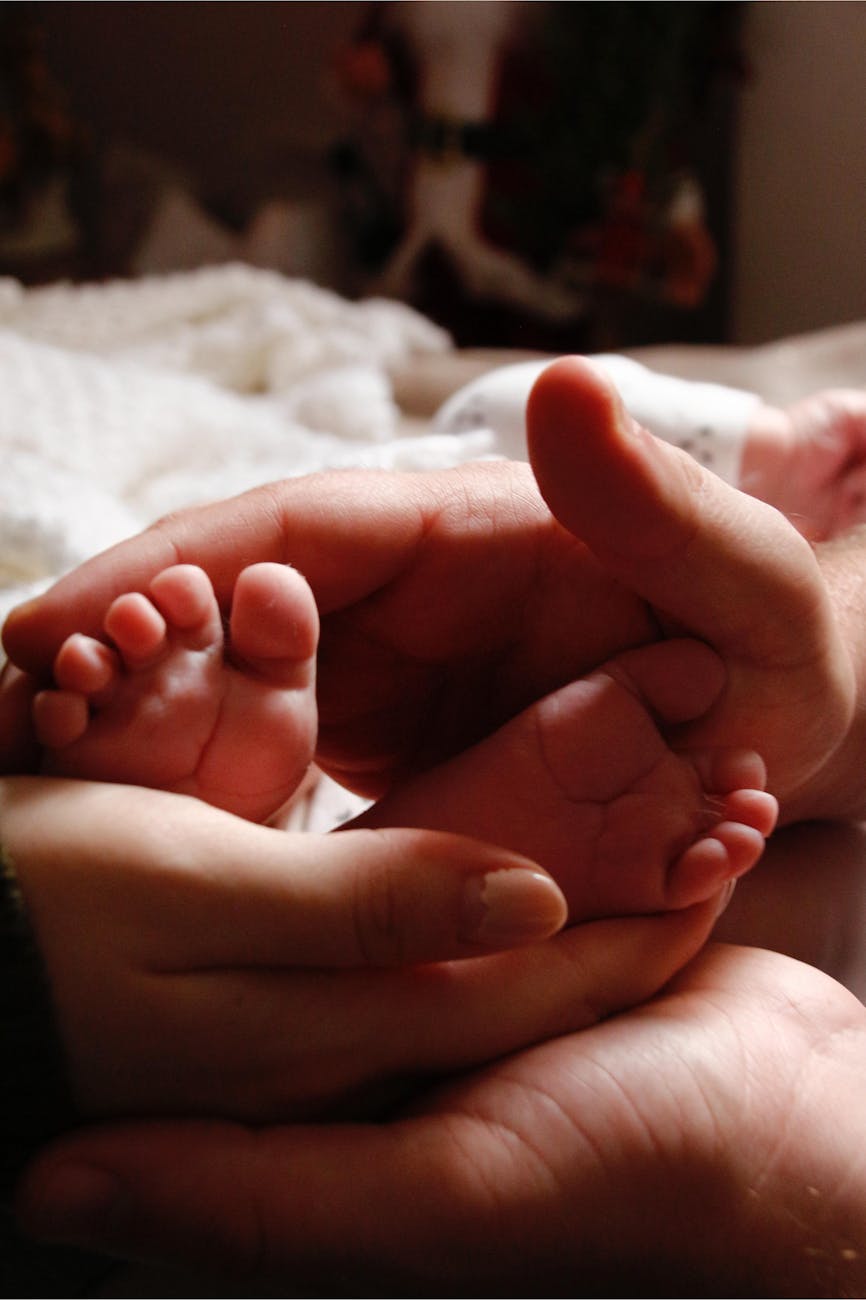
Why Wellness Truly Begins From the Ground Up
Let’s be honest.
Most of us completely ignore our feet… until they start complaining.
We squeeze them into shoes, rush through life, stand too long, sit too long, barely stretch them, and somehow still expect them to carry us gracefully through every workout, yoga class, grocery run, emotional meltdown, airport sprint, and “I’ll just quickly clean one thing” moment that mysteriously becomes an entire cardio session.
And still your feet carry you.
Quietly. Faithfully. Every single day.
The moment you begin paying attention to them, something shifts. Your posture changes. Your balance improves. Your movements feel lighter. Even your energy feels different.
Because wellness doesn’t begin in your head.
It begins where your body touches the earth.
Your Feet Are Smarter Than You Think
Each foot is a masterpiece of natural engineering.
Inside each one are:
- 26 bones
- 33 joints
- over 100 muscles, tendons, and ligaments
- thousands of nerve endings
Your feet influence:
- knees
- hips
- pelvis
- spine
- shoulders
- neck
So when your feet lose alignment, the entire body starts compensating.
That compensation often shows up as:
- lower back pain
- tight hips
- sore knees
- poor posture
- fatigue during yoga
- balance issues
Your feet may sit at the bottom of your body, but they quietly control far more than most people realize.
Strong Feet Are Flexible Feet
Healthy feet are not rigid.
They are stable and responsive.
Your feet contain three natural arches that work like built-in suspension systems:
- the transverse arch
- the inner arch
- the outer arch
These arches help you:
- absorb shock
- move gracefully
- stay balanced
- protect your joints
- feel lighter while walking
Think of your feet like car tires.
Too flat? Everything strains.
Too tight? Movement becomes restricted.
That’s why restoring natural toe alignment matters so much.
One of the easiest ways to retrain your feet after years of tight shoes is using gentle toe spacers like YogaToes. They help create space between the toes, improve circulation, and encourage healthier foot alignment — especially if your feet feel cramped after long workdays or yoga sessions.
Many people notice:
- better balance
- less foot fatigue
- improved grounding during yoga
- more awareness in the toes
Tiny changes. Big difference.
The Yoga Secret Nobody Talks About Enough: Pada Bandha
In yoga, there’s a beautiful practice called Pada Bandha, often translated as “the foot lock.”
It’s not about aggressively gripping the floor like your mat owes you money.
It’s about intelligent grounding.
When you activate your feet correctly:
- your posture lifts naturally
- your legs engage
- your core wakes up
- your balance improves
- your body feels lighter
This is why yoga classes often begin with Mountain Pose.
Before movement comes grounding.
Try This Simple Foot Activation Exercise
Take off your shoes.
Stand with your feet hip-width apart.
Now:
- Lift your toes.
- Spread them wide.
- Press evenly into:
- the base of the big toe
- the base of the little toe
- the center of the heel
This creates a stable triangle beneath your foot.
Then gently place the toes back down without gripping.
Now softly lift the inner arch of the foot.
You may notice:
- your legs activating automatically
- your posture becoming taller
- your body feeling more stable
If spreading your toes feels surprisingly difficult, don’t worry — modern shoes have trained many feet to become stiff and inactive over time.
Your Feet Hold More Than Your Weight
According to foot reflexology, your feet are like a map of the entire body.
Different areas of the sole correspond to different organs and systems.
For example:
- the liver corresponds to the middle of the foot
- the pelvis reflects near the heel
- the lungs connect toward the front of the foot
Other areas relate to:
- digestion
- sinuses
- brain
- intestines
Have you ever noticed during yoga:
- pressure under the big toe?
- cramping along the outer edge of the foot?
- tenderness in the center of the sole?
Instead of ignoring it, become curious.
Many people love using an Acupressure Foot Mat after yoga or long workdays because it stimulates reflexology points, improves circulation, and creates an incredibly grounding sensation through the soles of the feet.
It’s basically like giving your nervous system a deep exhale.
Why Your Heels Won’t Reach the Floor in Downward Dog
Ah yes.
The classic yoga dream:
heels fully touching the mat in Downward Dog while looking calm, graceful, and spiritually evolved.
Meanwhile, most of us are hovering somewhere in the background looking like stressed flamingos.
Here’s the surprising truth:
The stretch doesn’t begin in your calves.
It begins in the sole of your foot.
Underneath the foot runs the plantar fascia, a thick band of connective tissue connected to:
- the heel bone
- Achilles tendon
- calf muscles
Everything is connected.
So if the sole of the foot is tight, the heels may struggle to release downward in poses like Downward Dog.
This is why foot mobility matters so much in yoga.
One of the best tools for releasing deep tension is the TriggerPoint Mobipoint Massage Ball. Rolling the sole of the foot over it for just a few minutes can help loosen fascia tightness and improve mobility throughout the entire back line of the body.
For deeper stretching, many yogis also swear by the PINOFIT Foot Stretcher, especially for:
- tight calves
- stiff arches
- plantar fascia tension
- Achilles tightness
Sometimes the body doesn’t need more force.
It needs more space.
Tiny Daily Habits That Make a Huge Difference
Roll a Massage Ball Under Your Foot
While:
- cooking
- brushing your teeth
- working at your desk
- pretending to enjoy long meetings
Using the TriggerPoint Mobipoint daily can help:
- improve circulation
- release fascia tension
- reduce foot fatigue
- wake up sleepy muscles
A few minutes genuinely changes how your feet feel.
Spread Your Toes Daily
Most adults have forgotten how to properly use their toes.
Modern shoes turned them into sleepy passengers.
Using YogaToes for even 10–15 minutes a day can help restore mobility and create more natural spacing in the feet.
Your balance will thank you later.
Walk Barefoot More Often
Grass. Sand. Wood floors. Yoga mats.
Barefoot walking reactivates tiny stabilizing muscles and reconnects your nervous system to the ground.
And if you’re curious about transitioning into more natural movement, many wellness enthusiasts love the Vivobarefoot Primus because its wide toe box allows the feet to spread naturally instead of being compressed all day.
Minimalist shoes like these can encourage:
- healthier posture
- stronger arches
- better toe function
- more natural walking patterns
Your feet were designed to move — not live in tiny foot prisons.
Stretch the Soles
Try kneeling with your toes tucked under for a gentle stretch.
At first your feet may react dramatically, as if they’ve just been informed they’re responsible for your taxes now.
That’s normal.
Breathe through it.
You can also use the PINOFIT Foot Stretcher if your arches or calves feel extremely tight after yoga, walking, or standing for long hours.
There’s Something Emotional About Feet Too
Feet symbolize:
- support
- grounding
- direction
- trust
- movement through life
In many Eastern traditions, touching the feet of a teacher represents deep respect for the path they’ve walked.
And honestly?
There’s something deeply healing about reconnecting with your own feet too.
Especially in a world filled with:
- screens
- stress
- rushing
- overthinking
- nervous system overload
Feeling your feet pulls you back into the present moment.
Back into your body.
Back into yourself.
Wellness Doesn’t Need to Be Complicated
Sometimes wellness isn’t another expensive routine.
Sometimes it’s simply:
- standing differently
- softening your toes
- reconnecting with the floor
- breathing deeply
- supporting your body from the ground up
Tiny daily habits create enormous change over time.
So the next time you step onto your yoga mat or simply stand waiting for the kettle to boil and notice your feet.
Spread your toes.
Relax your jaw.
Feel the ground beneath you.
Your body has been carrying you your entire life.
“Every barefoot step is a conversation between your body and the planet.”
Maybe it’s time to support it back. 🙂
 Nourished Body Temple
Leave a comment